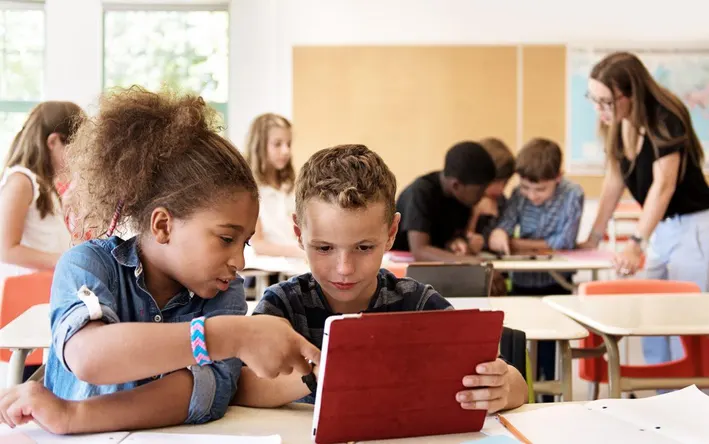
Remember that moment in school when a teacher sparked something inside you? For me, it was in high school English class. I was this awkward kid, buried in books to escape the chaos at home, and Mrs. Ramirez handed back my essay with a note: “You have a voice—use it.” That simple encouragement flipped a switch. Suddenly, education wasn’t just about grades; it became my ticket to confidence and a bigger world. Fast forward to today, and I’ve seen how learning shapes lives in ways you can’t imagine. Whether it’s climbing the career ladder or just figuring out how to fix your own messes, education sticks with you. In this piece, we’ll dive into the top five reasons it matters so much, backed by real stories and solid insights. Stick around— you might just rediscover why hitting the books (or the online courses) is worth every late night.
What is Education?
Education goes beyond classrooms and textbooks—it’s about gaining knowledge, skills, and values that help you navigate life. Think of it as a lifelong journey where you pick up tools to solve problems and understand the world around you. From formal schooling to self-taught hobbies, it’s all about growth.
At its core, education builds critical thinking and empathy. It teaches you not just facts, but how to question and connect ideas. Without it, we’d be stuck in the dark, repeating the same mistakes generation after generation.
The Top 5 Reasons Why Education is Crucial
We’ve all heard the saying, “Knowledge is power,” but let’s break it down. These reasons aren’t just theory—they’ve played out in my life and countless others. Education isn’t a luxury; it’s the foundation for everything good.
Reason 1: Provides Stability in an Unpredictable World
Life throws curveballs, right? Education acts like a safety net, giving you skills to adapt no matter what. I recall my uncle, who lost his factory job during the recession but bounced back because he’d taken night classes in IT—suddenly, he was employable again.
Stability comes from versatility. With education, you’re not tied to one path; you can pivot. Studies show educated folks face less unemployment, keeping families steady through tough times.
Reason 2: Boosts Financial Security and Opportunities
Money isn’t everything, but let’s be real—it helps. Education opens doors to better-paying jobs and promotions. My first gig out of college paid double what my high school friends were making, all because that degree proved I could handle complex tasks.
It’s not just about salary bumps; it’s long-term wealth. Graduates often invest smarter and build savings faster. Imagine retiring comfortably instead of scraping by—that’s the power of learning.
Reason 3: Promotes Equality and Social Mobility
Education levels the playing field, breaking cycles of poverty. Growing up in a low-income neighborhood, I saw friends drop out and get stuck, while those who pushed through school climbed out. It’s emotional watching someone rise because they learned to advocate for themselves.
By empowering marginalized groups, it fosters fairness. Women and minorities with degrees earn more and influence change. Without it, inequality festers, but education sparks real progress.
Reason 4: Fosters Self-Dependency and Confidence
Who doesn’t love feeling capable? Education teaches you to think independently, solving problems without hand-holding. I once fixed my car’s engine using online tutorials—saved hundreds and felt like a hero. That’s self-reliance in action.
It builds inner strength too. Facing challenges in school preps you for life’s hurdles. Confident people take risks, like starting businesses, all thanks to that foundational knowledge.
Reason 5: Helps Achieve Dreams and Personal Fulfillment
Dreams without action are just wishes, but education turns them real. My cousin dreamed of being a nurse; through community college, she made it happen despite doubters. It’s inspiring how learning unlocks potential you didn’t know you had.
Fulfillment comes from growth. Pursuing passions through education brings joy and purpose. Whether it’s art or science, it enriches your soul and legacy.
Key Benefits of Education at a Glance
Education packs a punch in multiple areas. Here’s a quick rundown:
- Personal Growth: Sharpens your mind and broadens horizons.
- Career Advancement: Leads to higher roles and networks.
- Health Improvements: Educated people make better lifestyle choices.
- Community Impact: Builds informed citizens who vote and volunteer.
- Global Awareness: Helps understand diverse cultures and issues.
These perks ripple out, touching everyone around you.
Comparing Formal vs. Informal Education
Not all learning happens in schools. Let’s stack them up.
| Aspect | Formal Education | Informal Education |
|---|---|---|
| Structure | Structured curriculum with certifications | Self-paced, no formal credentials |
| Cost | Often expensive (tuition, books) | Low or free (online resources) |
| Accessibility | Requires enrollment and time commitment | Available anytime, anywhere |
| Outcomes | Degrees for job markets | Practical skills for hobbies |
| Examples | University degrees | YouTube tutorials, books |
Both have value—mix them for the best results. Formal gives credibility, while informal keeps you agile.
Pros and Cons of Pursuing Higher Education
Higher ed isn’t for everyone, but weigh it carefully.
Pros:
- Higher earnings potential over a lifetime.
- Expanded professional networks and mentors.
- Deeper knowledge in specialized fields.
- Personal satisfaction from achieving goals.
Cons:
- Mounting student debt can burden finances.
- Time investment delays entering workforce.
- Not all degrees guarantee immediate jobs.
- Stress from academics and deadlines.
I went through it and wouldn’t trade the growth, but plan smart to avoid pitfalls.
People Also Ask
Drawing from real Google searches, here are common questions about education’s importance.
What is the main importance of education?
Education empowers individuals to lead better lives and contribute to society. It develops critical skills for problem-solving and innovation. Ultimately, it drives personal and economic progress.
Why is education important in our life?
It shapes who we are, from career choices to relationships. Without it, opportunities shrink. Think of it as the key to unlocking your full potential daily.
What are the five main reasons why education is important?
As detailed earlier: stability, financial security, equality, self-dependency, and dream fulfillment. These form the backbone of why learning matters.
Why is education important to society?
It creates informed citizens who build stronger communities. Educated societies innovate, reduce crime, and promote health. It’s the glue holding progress together.
How does education affect one’s future?
It directly influences career, income, and happiness. Better education often means brighter futures with more choices. Skip it, and options narrow fast.
Where to Get Quality Education Resources
Looking for places to start? Check out free platforms like Khan Academy for online lessons (khanacademy.org). Universities offer open courses via Coursera (coursera.org). Local libraries provide books and workshops—head to your nearest branch.
For formal paths, community colleges are affordable entry points. International options include scholarships from organizations like UNESCO (unesco.org). Don’t forget adult education centers for skill upgrades.
Best Tools for Enhancing Your Learning Experience
Ready to dive in? Here are top picks for tools that make education easier.
- Duolingo: Free app for language learning—fun and gamified.
- Notion: Organize notes and study plans seamlessly.
- Grammarly: Polishes writing to avoid errors (grammarly.com).
- Zoom: For virtual classes and group studies.
- TED Talks App: Inspiring videos on endless topics.
These can transform how you learn, whether solo or in groups.
For more on online learning, explore our internal guide on digital education trends.
FAQ
Why should I invest time in education?
It pays off in stability and fulfillment. You’ll gain skills that last a lifetime, opening doors you didn’t know existed. Plus, it’s never too late to start.
What if I can’t afford formal education?
Plenty of free alternatives exist, like MOOCs on edX (edx.org). Scholarships and grants help too. Focus on self-learning to build momentum.
How does education impact health?
Educated people often choose healthier habits, like balanced diets and exercise. It reduces stress through better jobs and awareness. Studies link it to longer lifespans.
Is online education as effective as traditional?
Absolutely, if you’re disciplined. It offers flexibility but requires self-motivation. Many succeed with it for career shifts.
Can education really change society?
Yes, by reducing inequalities and fostering innovation. Look at countries with high literacy—they thrive economically and socially.
Wrapping this up, education isn’t just a phase—it’s the spark that lights your path. From my own twists and turns, I’ve learned it’s the one investment that always compounds. Whether you’re a student, parent, or lifelong learner, embrace it. Your future self will thank you. If this resonated, share your story in the comments—what’s one way education changed your life?