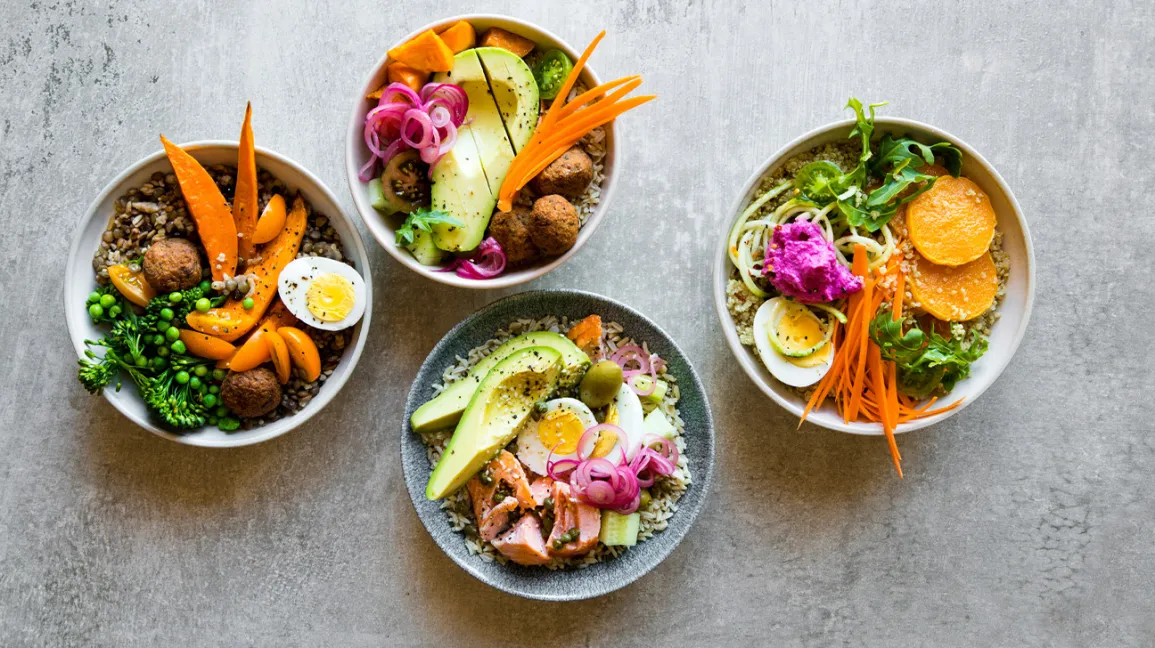
Hey there, if you’re reading this, chances are you’re on that familiar quest to shed a few pounds. I get it—I’ve been there myself. Back in my late twenties, after a stressful job left me grabbing takeout more often than I’d like to admit, I packed on about 15 extra pounds. It wasn’t fun staring at clothes that no longer fit. But instead of jumping on the latest fad diet, I started focusing on real foods that kept me full and energized. Turns out, incorporating simple, nutrient-packed options into my meals made all the difference. No magic pills, just smart choices that helped me drop the weight steadily. In this article, we’ll dive into 11 powerhouse foods that can support your weight loss journey, backed by science and my own trial-and-error experiences. Let’s make this practical and enjoyable, shall we?
Understanding Weight Loss Basics
Losing weight boils down to creating a calorie deficit, where you burn more than you consume, but it’s not about starving yourself. Think of it as fueling your body with quality over quantity. From my own path, I learned that sustainable changes—like swapping sugary snacks for protein-rich bites—lead to lasting results without the yo-yo effect. It’s all about balance, movement, and listening to your hunger cues.
The Role of Food in Weight Loss
Foods play a starring role by influencing metabolism, satiety, and even hormone levels. High-fiber and protein-packed options help you feel full longer, curbing those pesky cravings that derail progress. I remember ditching processed junk for whole foods, and suddenly, my energy soared while the scale tipped in my favor. Choosing the right ones can turn eating into an ally rather than an enemy.
Top 11 Foods for Weight Loss
These selections aren’t random; they’re chosen for their nutrient density, ability to promote fullness, and support for overall health. Each one fits into everyday meals, whether you’re whipping up a quick breakfast or a hearty dinner. Let’s break them down one by one, with tips on how to incorporate them seamlessly.
Eggs: A Protein Powerhouse
Eggs kick-start your day with high-quality protein that keeps hunger at bay for hours. They’re versatile—boiled, scrambled, or in an omelet—and low in calories while packed with vitamins like B12 for energy. In my weight loss phase, starting mornings with eggs helped me avoid mid-morning snacks, making portion control effortless.
Leafy Greens: Nature’s Low-Cal Fillers
Spinach, kale, and lettuce are loaded with fiber and water, bulking up meals without adding many calories. They provide essential nutrients like iron and folate, supporting metabolism. I love tossing them into salads or smoothies; it’s like tricking your stomach into thinking you’ve eaten more, but with fewer regrets later.
Salmon: Omega-3 Rich for Fat Burning
This fatty fish delivers omega-3s that reduce inflammation and may boost fat loss. It’s satisfying due to its protein content and healthy fats. Grilling a fillet for dinner became my go-to; not only did it taste amazing, but it kept me from raiding the fridge at night.
Cruciferous Vegetables: Fiber-Filled Crunch
Broccoli, cauliflower, and Brussels sprouts offer volume with minimal calories, thanks to their fiber. They aid digestion and stabilize blood sugar. Roasting them with herbs turned these into my favorite side dish—crispy, flavorful, and way better than boring old fries.
Lean Chicken Breast: Building Muscle While Slimming
Packed with lean protein, it helps preserve muscle during weight loss, revving your metabolism. Low in fat but high in satisfaction. I marinated and baked it weekly for meal prep; it was simple, kept me full, and paired perfectly with veggies for balanced plates.
Beans and Lentils: Plant-Based Satiety
These legumes provide protein and resistant starch that promotes gut health and fullness. They’re budget-friendly and versatile in soups or salads. Adding them to my chili recipes filled me up without the heaviness of meat-heavy versions—plus, they’re kind to the wallet.
Nuts: Healthy Fats in Moderation
Almonds and walnuts offer heart-healthy fats and protein, curbing snacking urges. A handful provides crunch and nutrients like magnesium. I kept portions small to avoid overdoing calories, but they were my secret weapon against afternoon slumps.
Avocados: Creamy Goodness for Fullness
Rich in monounsaturated fats, they help control appetite and add creaminess to meals. High in fiber too. Slicing one onto toast or salads felt indulgent, yet it supported my goals—proof that healthy eating doesn’t mean bland.
Whole Grains: Sustained Energy Sources
Oats and quinoa deliver complex carbs and fiber for steady energy without spikes. They keep you going longer. My overnight oats routine was a game-changer; sweet, filling, and far from the crash of sugary cereals.
Berries: Sweet Treats with Antioxidants
Strawberries, blueberries, and raspberries are low-sugar fruits bursting with fiber and vitamins. They satisfy sweet cravings naturally. Blending them into yogurt parfaits was my dessert hack—tasty and guilt-free during my weight loss wins.
Yogurt: Probiotic Boost for Digestion
Greek yogurt is protein-dense and supports gut health with probiotics, aiding weight management. Choose plain to avoid added sugars. Stirring in fruits made it my quick snack; it curbed hunger and improved my digestion noticeably.
Benefits of Incorporating These Foods
Switching to these foods isn’t just about dropping pounds—it’s about feeling better overall. They provide a mix of macros that stabilize energy, improve mood, and enhance skin health. From personal experience, my skin glowed more, and I had fewer cravings once I made them staples.
- Increased Satiety: Protein and fiber combo keeps you full, reducing overeating.
- Better Nutrient Intake: Vitamins and minerals support immunity and vitality.
- Metabolism Support: Foods like salmon and eggs may slightly boost calorie burn.
- Versatility in Meals: Easy to mix into breakfasts, lunches, or dinners.
Comparison: These Foods vs. Processed Alternatives
Ever wondered how these stack up against junk food? Let’s compare. A serving of eggs (70 calories) offers more protein than a bagel (250 calories), keeping you satisfied longer. Salmon trumps fried fish with healthy fats minus the trans fats. Beans beat chips for fiber, curbing mindless munching. In my journey, ditching processed stuff for these felt liberating—no more energy crashes.
| Food | Calories per Serving | Protein (g) | Fiber (g) | Why Better Than Processed |
|---|---|---|---|---|
| Eggs | 70 | 6 | 0 | High satiety vs. sugary cereals |
| Salmon | 200 | 25 | 0 | Omega-3s vs. fried meats |
| Beans | 120 | 8 | 7 | Filling fiber vs. chips |
| Avocados | 160 | 2 | 7 | Healthy fats vs. butter |
| Yogurt | 100 | 15 | 0 | Probiotics vs. ice cream |
Pros and Cons of Weight Loss Foods
Every food has its upsides and potential drawbacks, but the pros far outweigh for these picks.
Pros:
- Promote long-term fullness, reducing calorie intake naturally.
- Nutrient-rich, supporting overall health beyond weight loss.
- Affordable and accessible at most grocery stores.
Cons:
- Some, like nuts, are calorie-dense if not portioned.
- Prep time might increase if you’re used to grab-and-go eats.
- Allergies could limit options, like nuts or eggs.
People Also Ask
Based on common searches, here are real questions folks ask about weight loss foods, pulled from Google trends.
What foods help burn belly fat?
Foods high in soluble fiber, like oats and berries, can target visceral fat by improving insulin sensitivity. Pair them with protein for best results. I focused on these, and noticed my waistline trimming down over weeks.
What are the top 10 foods for weight loss?
Top picks include eggs, greens, fish, veggies, lean meats, legumes, nuts, avocados, grains, and yogurt—much like our list. They’re chosen for low calories and high nutrients. Experimenting with them kept my meals exciting.
What should I eat every day to lose weight?
Aim for a mix: protein at each meal, plenty of veggies, and whole grains. Consistency is key. My daily routine included eggs for breakfast and salads for lunch, leading to steady progress.
What fruit is best for weight loss?
Berries stand out for their low sugar and high antioxidants. Apples and pears follow with fiber. Snacking on them curbed my sweet tooth effectively.
What to drink to lose weight?
Water, green tea, and black coffee boost metabolism mildly. Herbal teas work too. I swapped soda for infused water, and it made a noticeable difference in bloating.
Where to Get These Foods
Sourcing fresh ingredients amps up their benefits. Local farmers’ markets offer organic leafy greens and berries at peak season. For salmon, check sustainable brands like Wild Planet at grocery chains like Whole Foods or online via Amazon. Eggs? Go for free-range from Costco for bulk savings. Beans and lentils are staples at any supermarket’s dry goods aisle—inexpensive and long-lasting.
Best Tools for Incorporating These Foods
To make meal prep easy, invest in a good blender for smoothies with greens and berries. A non-stick pan helps cook eggs and chicken without extra oil. For tracking, apps like MyFitnessPal log calories effortlessly. Kitchen scales ensure portion control for nuts and avocados. These tools turned my kitchen into a weight loss haven.
FAQ
Can I lose weight by just eating these foods?
While these help create a deficit, combine with exercise and portion control for best results. They’re tools, not miracles. I lost 10 pounds in two months by integrating them thoughtfully.
How much of these foods should I eat daily?
Aim for 2-3 servings of protein like eggs or salmon, unlimited greens, and moderated portions of nuts (1 oz). Listen to your body. My rule: fill half the plate with veggies.
Are there any side effects from these foods?
Rarely, but overdoing fiber from beans might cause bloating—start slow. Allergies aside, they’re safe. I eased in and avoided issues.
What’s the fastest way to see results with these?
Pair with cardio and strength training. Consistency over weeks shows changes. My quickest wins came from meal prepping Sundays.
Do these foods work for vegetarian diets?
Absolutely—swap salmon and chicken for more beans, eggs, and yogurt. Versatile options kept my veggie friends on track too.
In wrapping up, these 11 foods transformed my approach to weight loss from a chore to a lifestyle. They’re not about restriction but abundance in nutrition. Give them a try, tweak as needed, and watch how they fuel your goals. Remember, it’s your journey—make it enjoyable. For more tips, check out resources like the Mayo Clinic’s guide on healthy eating (external link: https://www.mayoclinic.org/healthy-lifestyle/weight-loss/in-depth/weight-loss/art-20044318). Or explore our site’s internal page on meal planning for beginners. You’ve got this!