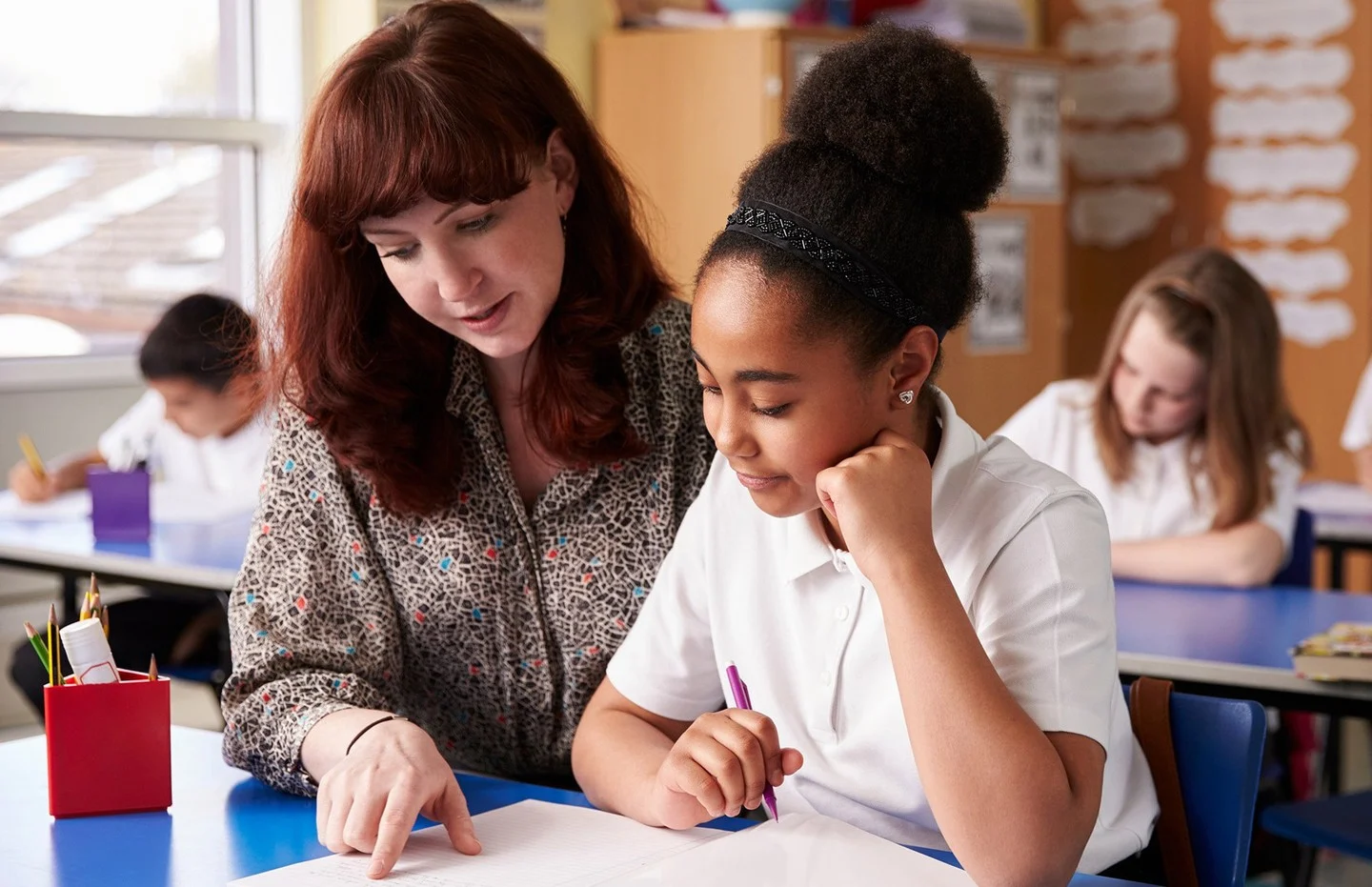
Education isn’t just about memorizing facts or passing exams—it’s about lighting a spark that fuels curiosity, confidence, and purpose for a lifetime. When education empowers, it equips individuals with the tools to navigate life’s challenges, pursue their passions, and contribute meaningfully to the world. In this article, we’ll explore what makes education truly empowering, how it shapes lives, and practical ways to access and apply it for lasting impact.
What Does Empowering Education Mean?
Empowering education goes beyond traditional classroom learning to foster critical thinking, resilience, and real-world skills. It’s about teaching people how to think, not what to think, and giving them the confidence to take charge of their futures.
The Core of Empowerment
At its heart, empowering education builds self-efficacy—the belief that you can achieve your goals through effort and learning. It encourages creativity, problem-solving, and adaptability, preparing individuals for a rapidly changing world.
Why It Matters
Empowering education creates a ripple effect. It not only transforms the individual but also uplifts communities by fostering innovation and collaboration. When people feel empowered, they’re more likely to take risks, pursue opportunities, and inspire others.
The Pillars of Empowering Education
Empowering education rests on several key pillars that ensure it’s impactful and sustainable. These elements work together to create a holistic learning experience that resonates throughout a person’s life.
Lifelong Learning Mindset
A lifelong learning mindset encourages continuous growth beyond formal schooling. It’s about staying curious and open to new knowledge, whether through books, online courses, or real-world experiences.
Practical Skill Development
Empowering education prioritizes skills like critical thinking, communication, and financial literacy. These tools help individuals navigate complex situations, from managing budgets to resolving conflicts effectively.
Emotional Intelligence and Resilience
Education that fosters emotional intelligence helps people understand themselves and others. Resilience, built through overcoming challenges, ensures learners can bounce back from setbacks with confidence.
Community and Collaboration
Learning doesn’t happen in isolation. Empowering education encourages collaboration, teaching students to work together, share ideas, and build networks that support long-term success.
Real-Life Impact of Empowering Education
I remember meeting Sarah, a single mother who enrolled in a community coding bootcamp after years of working low-wage jobs. With no prior tech experience, she learned to code in six months, landed a job as a web developer, and transformed her family’s future. Her story shows how education, when designed to empower, can change lives by opening doors to new possibilities.
Breaking Barriers
Empowering education breaks down socioeconomic and cultural barriers. Programs like scholarships, online learning platforms, and vocational training make knowledge accessible to everyone, regardless of background.
Building Confidence
When education focuses on real-world application, it builds confidence. For example, project-based learning, where students tackle real problems, helps them see the immediate value of their skills.
Driving Social Change
Empowered individuals often become change-makers. Think of Malala Yousafzai, whose education fueled her advocacy for girls’ rights, inspiring millions worldwide to prioritize learning for all.
Comparing Traditional vs. Empowering Education
To understand the value of empowering education, let’s compare it to traditional education models.
| Aspect | Traditional Education | Empowering Education |
|---|---|---|
| Focus | Memorization and standardized testing | Critical thinking and practical skills |
| Learning Style | Teacher-centered, lecture-based | Student-centered, interactive |
| Outcome | Grades and certifications | Confidence, adaptability, and real-world impact |
| Accessibility | Often limited by location and cost | Flexible, inclusive, and often affordable |
| Long-Term Impact | Prepares for specific careers | Equips for lifelong learning and adaptability |
Empowering education shifts the focus from rote learning to fostering skills that evolve with the learner, making it more relevant in today’s dynamic world.
Pros and Cons of Empowering Education
Like any approach, empowering education has its strengths and challenges. Here’s a balanced look:
Pros
- Adaptability: Prepares learners for a fast-changing job market.
- Inclusivity: Accessible through online platforms and community programs.
- Engagement: Interactive methods keep learners motivated.
- Holistic Growth: Builds emotional and social skills alongside academics.
Cons
- Resource Intensive: Requires skilled educators and modern tools.
- Time Commitment: Lifelong learning demands consistent effort.
- Uneven Access: Not all regions have equal access to quality programs.
Despite these challenges, the benefits of empowering education far outweigh the drawbacks, especially when supported by technology and community initiatives.
How to Access Empowering Education
Finding empowering education is easier than ever, thanks to technology and innovative programs. Here’s how you can start your journey.
Online Learning Platforms
Platforms like Coursera, Khan Academy, and Udemy offer courses on everything from coding to creative writing. Many are free or low-cost, making them accessible to all.
Community Programs and Workshops
Local libraries, community centers, and nonprofits often host workshops on practical skills like budgeting or digital literacy. Check your local library’s website for events near you.
Mentorship and Networking
Finding a mentor or joining professional networks can provide personalized guidance. Platforms like LinkedIn or local meetups connect learners with experienced professionals.
Self-Directed Learning
Books, podcasts, and YouTube channels offer endless opportunities for self-study. For example, listening to podcasts like “How I Built This” can inspire entrepreneurial thinking.
Best Tools for Empowering Education
To make the most of your learning journey, leverage these top tools designed to empower:
- Coursera: Offers university-backed courses with certificates. Great for career-focused learning.
- Khan Academy: Free, high-quality tutorials for all ages, especially strong in math and science.
- Duolingo: Gamified language learning that’s fun and effective.
- Notion: A productivity tool to organize notes, projects, and learning goals.
- edX: Provides access to courses from top institutions like MIT and Harvard.
These tools cater to different learning styles and goals, ensuring there’s something for everyone.
People Also Ask (PAA)
Here are answers to common questions about empowering education, sourced from Google’s PAA:
What is the importance of education in life?
Education shapes critical thinking, opens career opportunities, and fosters personal growth. It empowers individuals to make informed decisions and contribute to society.
How can education empower individuals?
Education empowers by building skills, confidence, and resilience. It equips people to solve problems, pursue passions, and navigate life’s challenges effectively.
What are the benefits of lifelong learning?
Lifelong learning keeps your skills relevant, boosts mental health, and enhances adaptability. It also opens doors to new careers and personal fulfillment.
Where can I find free educational resources?
Free resources are available on platforms like Khan Academy, YouTube, and public libraries. Many universities also offer open courseware online.
Challenges in Implementing Empowering Education
While the benefits are clear, implementing empowering education isn’t without hurdles. Let’s explore some common challenges and how to address them.
Access to Resources
Not everyone has access to high-speed internet or quality educators. Governments and organizations can bridge this gap by investing in digital infrastructure and training programs.
Resistance to Change
Traditional education systems can be slow to adopt new methods. Advocacy and pilot programs can demonstrate the value of empowering approaches to stakeholders.
Measuring Success
Unlike traditional education, which relies on grades, empowering education’s success is harder to quantify. Metrics like learner engagement and real-world impact can help.
Stories of Empowerment Through Education
Let’s look at another example: John, a high school dropout who discovered online learning in his 30s. Through free coding tutorials on YouTube, he taught himself Python, built a portfolio, and now works as a freelance developer. Stories like John’s highlight how accessible, empowering education can transform lives, even later in life.
The Role of Technology
Technology has democratized education, making it possible for anyone with a smartphone to learn new skills. From virtual classrooms to AI-driven tutoring, tech is a game-changer.
The Power of Community
Communities play a vital role in empowerment. Local study groups, online forums, and mentorship programs create supportive environments where learners thrive.
FAQ: Empowering Education
What makes education empowering?
Empowering education focuses on practical skills, critical thinking, and personal growth, enabling learners to take control of their futures.
How can I start lifelong learning?
Begin with free resources like Khan Academy or Coursera, set clear goals, and dedicate time each week to learning something new.
Are online courses as effective as traditional education?
Yes, when designed well, online courses can be highly effective, offering flexibility and practical skills tailored to modern needs.
Where can I find affordable education programs?
Check platforms like edX, Udemy, or local community colleges for affordable or free courses that align with your goals.
How does empowering education impact society?
It fosters innovation, reduces inequality, and creates engaged citizens who contribute positively to their communities.
Conclusion: Education as a Lifeline
Empowering education is more than a buzzword—it’s a lifeline that equips individuals to thrive in an unpredictable world. By fostering curiosity, resilience, and practical skills, it prepares people not just for jobs but for meaningful lives. Whether through online platforms, community programs, or self-directed learning, the opportunities are endless. Start small, stay curious, and let education light the way to your brightest future.
Key Citations
- American Library Association – Information on local educational events.
- Coursera – Online learning platform for skill development.
- Khan Academy – Free educational resources for all ages.
- edX – University-backed courses for lifelong learning.
- Malala Fund – Advocacy for girls’ education and empowerment.