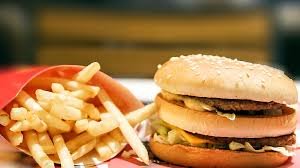
Picture this: It’s a hectic Tuesday evening, and you’re stuck in traffic after a grueling day at work. Your stomach growls like an angry bear, and that glowing drive-thru sign calls your name. Before you know it, you’ve got a juicy burger, crispy fries, and a fizzy soda in hand. It tastes like heaven in the moment, right? But fast forward a couple of hours, and you might feel like you’ve been hit by a truck—bloated, sluggish, and regretting that impulse. I’ve been there more times than I’d like to admit, like the time I devoured a late-night combo after a concert and spent the next morning nursing a headache and zero energy. It’s those real-life slip-ups that got me digging deeper into what fast food really does to our bodies. Turns out, it’s not just about the calories; it’s a whole cascade of effects that can sneak up on you short-term and build into bigger issues over time. In this article, we’ll break it down step by step, from the instant hits to the lingering risks, backed by solid insights so you can make smarter choices without feeling preached at. Whether you’re a occasional indulger or trying to cut back, understanding the impact of junk food on health can be a game-changer for feeling better every day.
Understanding Fast Food: What’s Really in That Meal?
Fast food isn’t just quick and cheap; it’s engineered for craveability with high levels of salt, sugar, and fats that light up your brain’s reward centers like a slot machine jackpot. Think about it—a typical burger combo packs refined carbs from the bun, saturated fats from the patty and cheese, and heaps of sodium to make it pop. But it’s low on fiber, vitamins, and the good stuff your body craves for real fuel. This imbalance sets the stage for how your system reacts, turning what seems like a harmless treat into something that throws your internal balance off-kilter right away.
Short-Term Effects: The Immediate Impact on Your Body
That first bite might feel satisfying, but your body starts processing fast food almost instantly, leading to quick changes you can feel. From blood sugar swings to tummy troubles, these effects hit within minutes to hours, reminding you why moderation matters. It’s like borrowing energy now and paying it back with interest later—I’ve learned that the hard way after too many “just this once” meals.
Blood Sugar Rollercoaster
Refined carbs and sugars in fast food break down fast, spiking your blood glucose levels and triggering a big insulin release to bring it down. This crash leaves you tired and hungry again soon, messing with your focus and mood. One study showed a single high-fat meal can impair blood vessel function right away, adding to that post-meal fog.
Bloating and Digestive Discomfort
High sodium pulls water into your system, causing puffiness and that uncomfortable bloated feeling, while greasy fats slow digestion and can lead to heartburn or diarrhea. Without much fiber, your gut struggles to move things along smoothly. Remember my concert story? That meal had me feeling like a balloon ready to pop by bedtime.
Inflammation Spike
Even one meal can ramp up inflammation body-wide, especially if it’s loaded with trans fats, potentially worsening asthma symptoms or joint aches temporarily. It’s your body’s alarm system going off, signaling it’s not thrilled with the processed onslaught. Humorously, it’s like inviting a rowdy party guest who overstays their welcome.
Energy Drain and Mood Dip
The quick carb hit gives a brief buzz, but the ensuing insulin surge zaps your vitality, making you cranky or sleepy. Lacking nutrients like antioxidants from veggies, it can even nudge your mood southward in the short run. I’ve noticed this after lunch runs—perky at first, then dragging by afternoon meetings.
Long-Term Risks: When Fast Food Becomes a Habit
Occasional indulgences might not derail you, but regular fast food meals stack up effects that strain your systems over time. We’re talking weight gain, chronic conditions, and subtle shifts that creep in unnoticed until they’re hard to ignore. Drawing from health experts, consistent intake ups risks across the board, but knowledge is power for turning things around.
Cardiovascular Strain
Frequent high-sodium and trans fat intake raises blood pressure and cholesterol, paving the way for heart disease and strokes. Studies link eating fast food twice a week or more to higher coronary risks. It’s like slowly clogging your pipes—my uncle’s scare after years of takeout was a wake-up call for our family.
Weight Gain and Obesity
Calorie-dense meals without filling nutrients lead to overeating, adding pounds that boost obesity odds. Extra weight stresses joints and organs, and one report notes fast food eaters consume 187-190 extra calories daily. Personally, ditching weekly burgers helped me shed 15 pounds without feeling deprived.
Diabetes and Insulin Resistance
Repeated sugar spikes wear out your pancreas, fostering insulin resistance and type 2 diabetes. Long-term, it disrupts hormone balance, with research showing higher risks from Western-style fast food diets. It’s heartbreaking to see friends battle this, but small swaps make a difference.
Mental Health Toll
Diets heavy in processed foods correlate with depression and anxiety, as they lack mood-boosting nutrients. A study tied fast food to poorer mental health in teens. On tougher days, I’ve found home-cooked meals lift my spirits more than any combo meal ever could.
Digestive System Wear
Low fiber contributes to constipation, gut bacteria imbalance, and higher diverticulitis risk over years. Inflammation from additives can exacerbate issues like IBS. Switching to fiber-rich alternatives transformed my daily comfort—no more relying on antacids.
Other System Impacts
Fast food can weaken bones through obesity-related stress, aggravate skin with acne triggers, and even affect fertility via hormone disruptors like phthalates. Respiratory woes like asthma worsen too, as extra weight strains lungs.
Fast Food vs. Home-Cooked Meals: A Side-by-Side Comparison
Ever wonder how a drive-thru dinner stacks up against something whipped up at home? Let’s compare a standard fast food burger meal to a grilled chicken salad with veggies. The differences in nutrition and effects are eye-opening, showing why home cooking often wins for long-term health.
| Aspect | Fast Food Burger Meal | Home-Cooked Grilled Chicken Salad |
|---|---|---|
| Calories | Around 1,200-1,500 per serving | About 500-700 per serving |
| Sodium | 1,500+ mg (nearly daily limit) | Under 500 mg |
| Fiber | 2-4 grams | 8-10 grams |
| Saturated Fat | 15-20 grams | 3-5 grams |
| Nutrients | Low in vitamins, high in empty carbs | Rich in vitamins A, C, K, and antioxidants |
| Effects on Body | Quick spike then crash, bloating | Sustained energy, better digestion |
This table highlights how fast food overloads on the bad stuff while skimping on essentials. For more on balanced eating, check our guide to healthy meal prep.
Pros and Cons of Eating Fast Food
No food is all bad or good, but weighing the ups and downs helps you decide when it’s worth it.
Pros:
- Convenient for busy days—no cooking or cleanup needed.
- Affordable and accessible, great in a pinch.
- Tasty and satisfying for occasional treats, boosting mood temporarily.
Cons:
- High in unhealthy fats, sugars, and salt, leading to health risks.
- Lacks nutrients, contributing to deficiencies over time.
- Promotes overeating due to portion sizes and additives.
- Environmental impact from packaging and production.
Balancing these means enjoying the pros without the cons dominating your diet.
Tips for Healthier Fast Food Choices
If ditching fast food entirely isn’t realistic, smarter picks can minimize harm. Opt for grilled over fried, skip the soda for water, and add salads where possible. Apps like MyFitnessPal help track nutrition—I’ve used it to spot better options at chains. For the best tools to monitor your intake, try calorie-tracking apps or consult a dietitian via sites like EatRight.org.
Where to Get Healthier Alternatives
Craving convenience without the guilt? Head to spots like Chipotle for customizable bowls with fresh ingredients, or Subway for veggie-packed subs. Grocery stores offer ready-made salads too. Locally, farmers’ markets provide quick, nutrient-dense grabs—explore USDA’s local food directory for options near you.
People Also Ask
Based on common Google searches, here are real questions people have about fast food’s effects, with straightforward answers.
What happens to your body if you eat fast food every day?
Daily fast food leads to weight gain, high cholesterol, and increased risks of diabetes and heart disease due to accumulated fats, sugars, and sodium. It can also cause nutrient gaps, affecting energy and immunity.
How long does fast food stay in your system?
Digestion takes 24-72 hours, but effects like inflammation or blood sugar changes linger longer, up to days for full recovery.
Is it OK to eat fast food once a week?
Yes, in moderation—once a week won’t derail a balanced diet, but pair it with healthy days to offset impacts.
What does fast food do to your brain?
It can impair memory and mood short-term, with long-term links to depression from poor nutrition and inflammation.
How does fast food affect your heart?
It raises blood pressure and cholesterol, increasing heart attack and stroke risks over time.
FAQ
What are the main ingredients in fast food that harm the body?
High sodium, trans fats, refined sugars, and processed carbs are the culprits, leading to inflammation, weight gain, and metabolic issues.
Can fast food cause immediate health problems?
Yes, like bloating, fatigue, or blood sugar spikes—symptoms often appear within hours of eating.
How can I recover from a fast food binge?
Hydrate well, eat fiber-rich foods next, and move your body; it helps reset your system quickly.
Is there any healthy fast food?
Options like salads or grilled items exist, but check nutrition labels—some chains offer better choices.
Does fast food affect kids differently?
Kids are more vulnerable, with risks to growth, obesity, and habits forming early—limit to treats, not routines.
In wrapping up, fast food’s allure is real, but knowing its toll empowers you to choose wisely. Next time that drive-thru tempts you, think about how it’ll feel later. Small changes add up to big wins for your body—trust me, your future self will thank you. For more on nutrition, see Healthline’s fast food guide.