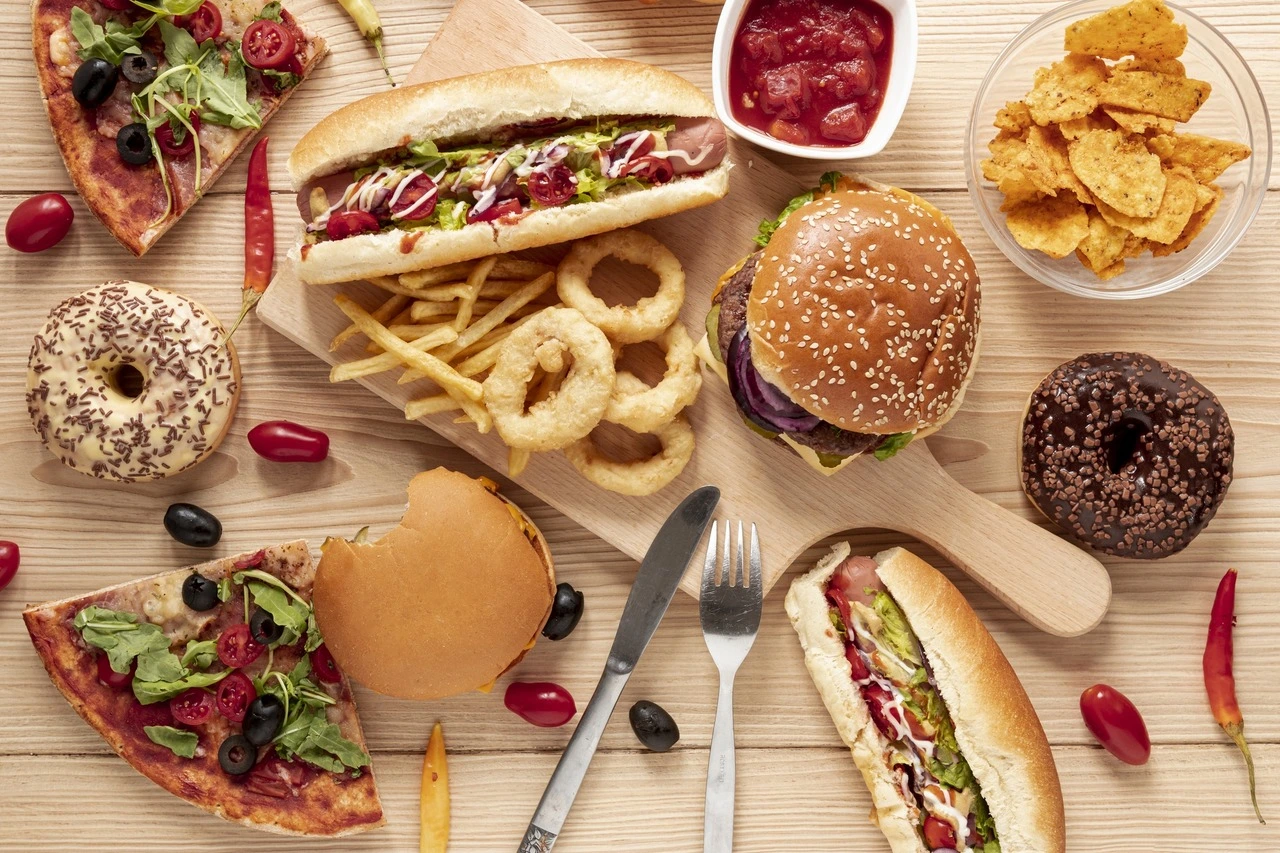
Hey there, reader. Let me take you back to my college days when I thought a diet of ramen noodles, energy drinks, and late-night pizza runs was the key to surviving finals week. Boy, was I wrong. I’d crash hard by midday, feeling like a zombie with a side of regret. It wasn’t until I started paying attention to what I was putting in my body that things turned around. Swapping out those junky habits for smarter choices didn’t just boost my energy—it changed how I felt every single day. If you’re here because you’re tired of feeling sluggish or worried about long-term health, you’re in the right place. This guide dives deep into the worst foods out there, why they sabotage your well-being, and simple swaps that taste great without the guilt. We’ll keep it real, backed by solid research from places like Healthline and WebMD, and I’ll share a few laughs along the way because, let’s face it, admitting your love for donuts is half the battle.
Why Some Foods Are Considered the Worst
Not all foods are created equal, and the real villains are often the ones loaded with hidden sugars, unhealthy fats, and artificial additives that mess with your body’s natural balance. These culprits can spike your blood sugar, pack on pounds, and even increase risks for heart disease or diabetes over time. Think of them as sneaky saboteurs in your grocery cart—tasty in the moment but costly later.
The Impact of Unhealthy Eating on Daily Life
From foggy mornings to afternoon slumps, bad food choices can turn a productive day into a drag, not to mention the emotional toll of constant cravings. I’ve been there, reaching for chips during stress sessions only to feel worse. Making swaps isn’t about deprivation; it’s about reclaiming your vibe and health.
Top Worst Foods and Their Healthier Alternatives
Let’s get to the meat of it—or should I say, the processed meat? Here are the biggest offenders based on expert insights from nutrition sites like Eat This Not That and Prevention. I’ll break down why they’re bad, share a quick story where I can, and suggest what to grab instead.
Sugary Sodas and Sports Drinks
I used to down a couple of colas a day thinking they were harmless pick-me-ups, but they left me jittery and crashing hard. These drinks are packed with high-fructose corn syrup that spikes insulin levels and contributes to weight gain, liver issues, and tooth decay. No wonder they’re topped as one of the worst by doctors in Prevention articles.
What to have instead: Infused water with fresh fruits like lemon or berries keeps you hydrated without the sugar bomb. It’s refreshing and helps curb cravings naturally.
Processed Meats Like Bacon and Hot Dogs
Ah, bacon—the breakfast staple that smells like heaven but acts like a health hazard. Linked to higher cancer risks due to nitrates and high sodium, these meats were my go-to until a family scare with high blood pressure made me rethink. Sources like the British Heart Foundation highlight their ties to heart disease and bowel issues.
What to have instead: Opt for turkey or chicken alternatives, which are leaner and lower in saturated fats. Grill them up for that smoky flavor without the risks.
Fast Food Burgers
Remember those drive-thru runs after a long day? I’d feel full but bloated, thanks to the trans fats, excessive calories, and sodium in these patties. Eat This Not That calls them out for their sky-high fat content that clogs arteries over time.
What to have instead: Homemade veggie or turkey burgers on whole-grain buns pack protein and fiber. Add fresh toppings for a satisfying meal that’s kinder to your waistline.
White Bread and Refined Carbs
Slathering peanut butter on white toast was my quick breakfast fix, but it left me hungry soon after with no real nutrients. Refined grains strip away fiber, leading to blood sugar rollercoasters and potential diabetes risks, as noted in Everyday Health guides.
What to have instead: Whole-grain bread or wraps provide sustained energy and gut-friendly fiber. It’s a simple switch that upgrades sandwiches effortlessly.
Donuts and Pastries
Who hasn’t grabbed a donut for a “treat” only to regret the sugar crash? These fried dough bombs are loaded with trans fats and sugars that inflame the body, per WebMD slideshows on heart-harming foods.
What to have instead: Baked oatmeal muffins with fruits offer sweetness from natural sources. They’re portable and keep you fuller longer.
Potato Chips and Fried Snacks
Crunchy, salty, and addictive—chips were my movie night must-have until I realized their acrylamide content and empty calories promote weight gain. HowStuffWorks lists them among the absolute worst for everyday eating.
What to have instead: Air-popped popcorn or veggie chips satisfy the crunch without the oil overload. Season with herbs for extra flavor.
Sugary Cereals
Starting the day with colorful cereals felt fun as a kid, but as an adult, I saw how they spiked my energy then tanked it. High in added sugars and low in fiber, they’re flagged by experts for contributing to obesity.
What to have instead: Overnight oats with nuts and berries deliver protein and slow-release carbs. It’s customizable and preppable ahead.
Ice Cream and Frozen Desserts
Emotional eating led me to pints of ice cream, but the saturated fats and sugars added up fast. Eat This Not That deems them unhealthiest for their hidden calories.
What to have instead: Greek yogurt parfaits with honey and fruits mimic the creaminess. Freeze them for a similar texture.
Instant Ramen and Processed Noodles
Cheap and quick, ramen saved me in lean times, but its sodium bomb and preservatives wrecked my blood pressure. Healthline warns of their gut-disrupting effects.
What to have instead: Whole-grain pasta with fresh veggies and lean protein. It’s hearty and nutrient-dense.
Artificial Sweeteners in Diet Drinks
Thinking diet sodas were a smart hack, I switched, only to battle headaches from aspartame. Prevention doctors advise avoiding them for potential metabolic issues.
What to have instead: Herbal teas sweetened naturally with stevia. They’re calming and antioxidant-rich.
Pros and Cons of Common Worst Foods
- Pros of Sugary Sodas: Quick energy boost, widely available.
- Cons: Leads to weight gain, diabetes risk, tooth erosion.
- Pros of Processed Meats: Convenient, flavorful.
- Cons: High cancer links, sodium overload, heart disease promoter.
- Pros of Fast Food Burgers: Fast and satisfying.
- Cons: Artery-clogging fats, calorie-dense, nutrient-poor.
Comparison: Worst Foods vs. Alternatives
| Food | Calories (per serving) | Sugar (g) | Healthier Alternative | Calories (per serving) | Sugar (g) |
|---|---|---|---|---|---|
| Sugary Soda (12 oz) | 150 | 39 | Infused Water | 0 | 0 |
| Bacon (2 slices) | 90 | 0 | Turkey Bacon | 60 | 0 |
| Fast Food Burger | 540 | 10 | Veggie Burger | 300 | 5 |
| White Bread (2 slices) | 150 | 3 | Whole-Grain Bread | 140 | 2 |
| Donut | 250 | 15 | Oat Muffin | 180 | 8 |
This table shows how swaps cut calories and sugars while maintaining satisfaction. Data drawn from USDA and Healthline nutrition facts.
Where to Get Healthier Options
Navigational tip: Head to your local farmers’ market for fresh produce to make those swaps, or check online grocers like Thrive Market for organic alternatives. For tools, a good blender like the Vitamix helps whip up smoothies as transactional buys for better eating.
People Also Ask
Based on real Google queries, here are common questions about worst foods.
What are the 10 worst foods to eat?
Top lists from sources like HowStuffWorks include soda, artificial sweeteners, processed meats, fried foods, sugary cereals, white bread, donuts, ice cream, chips, and energy drinks— all high in sugars, fats, or additives.
What foods should you never eat?
Doctors in Prevention say avoid soda, raw meats, processed meats, trans fats, and excessive alcohol to prevent health issues like heart disease and infections.
What is the #1 unhealthiest food?
Many experts point to processed meats or sugary sodas as the top offender due to their links to cancer and obesity, per Eat This Not That.
Are there any surprisingly unhealthy foods?
Yes, things like granola bars or yogurt with added sugars sneak in as “healthy” but pack hidden calories, as Cleveland Clinic notes.
FAQ
What makes a food “worst” for health?
Worst foods often contain high levels of added sugars, unhealthy fats, sodium, or artificial ingredients that contribute to chronic diseases like diabetes or heart issues, according to WebMD.
How can I find healthy alternatives easily?
Start by reading labels at the store—look for low-sugar, whole-food options. Apps like MyFitnessPal can help track and suggest swaps based on your diet.
Is it okay to eat worst foods occasionally?
In moderation, yes, but balance with nutrient-rich meals. The key is consistency; occasional treats won’t derail you if your overall diet is solid.
Where can I learn more about nutrition?
Check resources like Healthline’s guide on unhealthy foods or our internal healthy recipes page for practical tips.
What tools help with meal prepping swaps?
Invest in a food processor for homemade alternatives or a subscription box like HelloFresh for guided healthy meals.
Wrapping this up, ditching the worst foods isn’t about perfection—it’s about progress. I still indulge sometimes, but those swaps have me feeling sharper and happier. Give one a try today; your body will thank you. If this sparked a change, share your story in the comments. Stay healthy out there!